
Crafting a High-Converting Website: 5 Essential Elements You Can’t Ignore

Your website isn’t just a digital storefront—it’s a powerful extension of your brand, your message, and your purpose. Whether you’re building from the ground up or refining what you already have, designing a site that converts isn’t about trends—it’s about strategy.
A beautiful website is great, but a high-converting website? That’s what will truly move the needle in your business. So, let’s walk through the five must-have elements that will help you create a site that not only looks stunning but also works hard for you.
1. Clear & Intuitive Navigation: The Foundation of a Seamless Experience
Imagine walking into a new space where everything is beautifully designed, but you can’t quite figure out where to go next. Frustrating, right? That’s exactly how a visitor feels when your website navigation is unclear or cluttered.
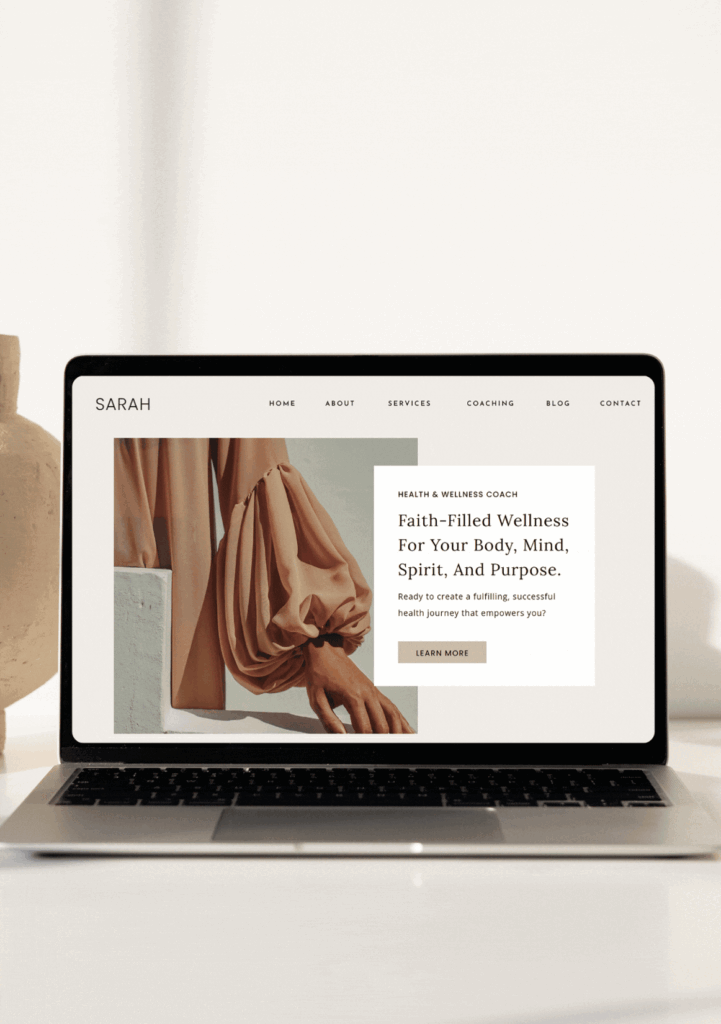
Your menu should be simple, strategic, and user-friendly—guiding your audience effortlessly to where they need to go.
- Keep it clear – Use straightforward labels that reflect what your audience is actually searching for.
- Less is more – Stick to the essentials in your main menu to avoid overwhelming visitors.
- Make it accessible – A sticky navigation bar ensures users always have access to key pages, no matter how far they scroll.
Pro Tip: Take inspiration from well-designed sites in your niche. Notice how they organize content and guide users intuitively. Your site should feel just as seamless.
2. Strong Calls-to-Action (CTAs): Guiding Visitors to Take the Next Step
A website without clear calls-to-action is like an invitation with no RSVP instructions—people won’t know what to do next.
Your CTAs should be bold, clear, and compelling, guiding your visitors toward action—whether that’s booking a consultation, making a purchase, or joining your email list.
💡 Instead of generic “Click Here” buttons, use action-driven, benefit-focused language like:
- “Start Your Journey Today”
- “Get Instant Access to the Guide”
- “Book Your Free Discovery Call”
Strategically place CTAs where they naturally align with your audience’s journey—on your homepage, at the end of blog posts, and on every service or product page.
Pro Tip: Use contrasting colors and white space to make your CTAs stand out without overwhelming your design.
3. Mobile-Friendly, Responsive Design: A Non-Negotiable in Today’s Digital World
Your audience isn’t just visiting your website from a laptop—they’re scrolling from phones, tablets, and everything in between. If your site isn’t responsive, you’re losing potential customers before they even have a chance to explore what you offer.
A responsive website automatically adjusts to different screen sizes, ensuring a smooth, easy-to-navigate experience no matter how visitors find you.
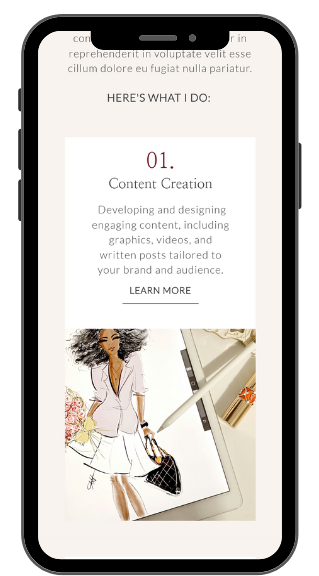
- Test your site across devices—does the text resize properly? Are buttons easy to tap? Does your navigation remain user-friendly?
- Avoid clutter—keep mobile layouts clean, with clear sections and easy-to-read fonts.
- Prioritize fast loading speeds—because if your site takes too long to load, visitors will move on.
Pro Tip: Browse your favorite websites from your phone and pay attention to the user experience. The best sites are just as intuitive on mobile as they are on desktop—yours should be, too.
4. Compelling Visuals: Design That Captivates & Converts
A well-designed website isn’t just about functionality—it should visually reflect your brand’s essence and create a meaningful first impression.
Your visuals should work for you, not against you by drawing visitors in and guiding their focus to key information.
- Use high-quality, on-brand imagery that represents your mission and audience.
- Incorporate brand-aligned colors and typography to create consistency across your website.
- Leverage white space strategically to make your design feel clean, modern, and inviting.
Pro Tip: Take inspiration from brand color palettes and design styles that align with your vision. The goal is to create an online space that feels like home to your ideal audience.
5. Trust Signals: Establishing Credibility & Confidence
Trust is everything. A visitor may love your content, but if they don’t feel confident in your brand, they won’t take the next step. Trust signals help reassure potential clients and customers that they’re in the right place.
Here’s how to build credibility into your website design:
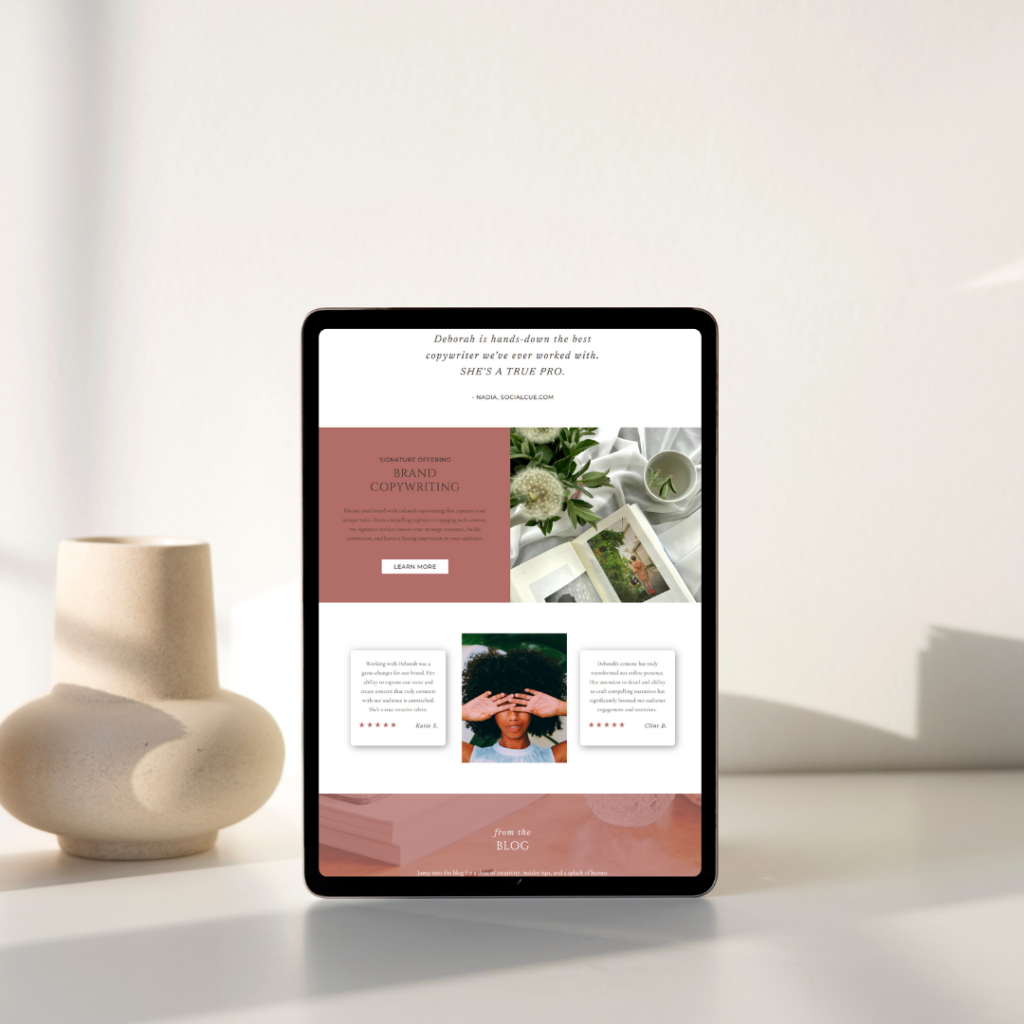
- Client Testimonials & Reviews – Social proof builds instant trust.
- Professional Branding – A polished, cohesive design signals credibility.
- Clear Contact Information – Make it easy for visitors to reach you.
- Security Badges – If you handle transactions, display trust symbols for secure payments.
Pro Tip: Browse successful websites in your field and notice how they integrate trust signals seamlessly. Your audience should feel at ease the moment they land on your site.
Bringing It All Together: The Blueprint for a High-Converting Website
A truly effective website blends beauty and strategy, guiding visitors effortlessly toward action. As you refine your site, focus on these five essential elements:
- User-friendly navigation that simplifies the journey
- Compelling CTAs that encourage action
- Mobile-responsive design for a seamless experience across all devices
- Captivating visuals that reflect your brand
- Trust signals that establish credibility
Your website is more than just pixels on a screen—it’s a powerful tool that can grow your business, connect with your audience, and bring your God-given vision to life.
If you’re ready to refine your brand’s online presence, we’ve got just the resource to help you:
Download The Ultimate Brand Strategy Guide – your go-to resource for building a brand that’s not only beautiful but also built to last.
Now, it’s time to take what you’ve learned and start designing with purpose. Your website isn’t just a place—it’s an experience. Make it one that truly reflects the heart of your brand.


