
5 Common Brand Color Palette Mistakes (And How to Fix Them)

Your brand’s color palette is a foundational part of your visual identity, influencing how your audience perceives and connects with your business. But even with the best intentions, it’s easy to make mistakes that can dilute your brand’s impact. In this post, we’ll go over five common brand color palette mistakes—and more importantly, how to fix them. And if you’re looking for a head start, be sure to grab our free brand kits to explore thoughtfully curated palettes designed to help your brand shine online.
1. Using Too Many Colors
The Mistake:
It’s tempting to use a wide range of colors, especially when inspiration strikes from multiple sources. However, an excessive number of colors can make your branding feel chaotic and uncoordinated.
The Fix:
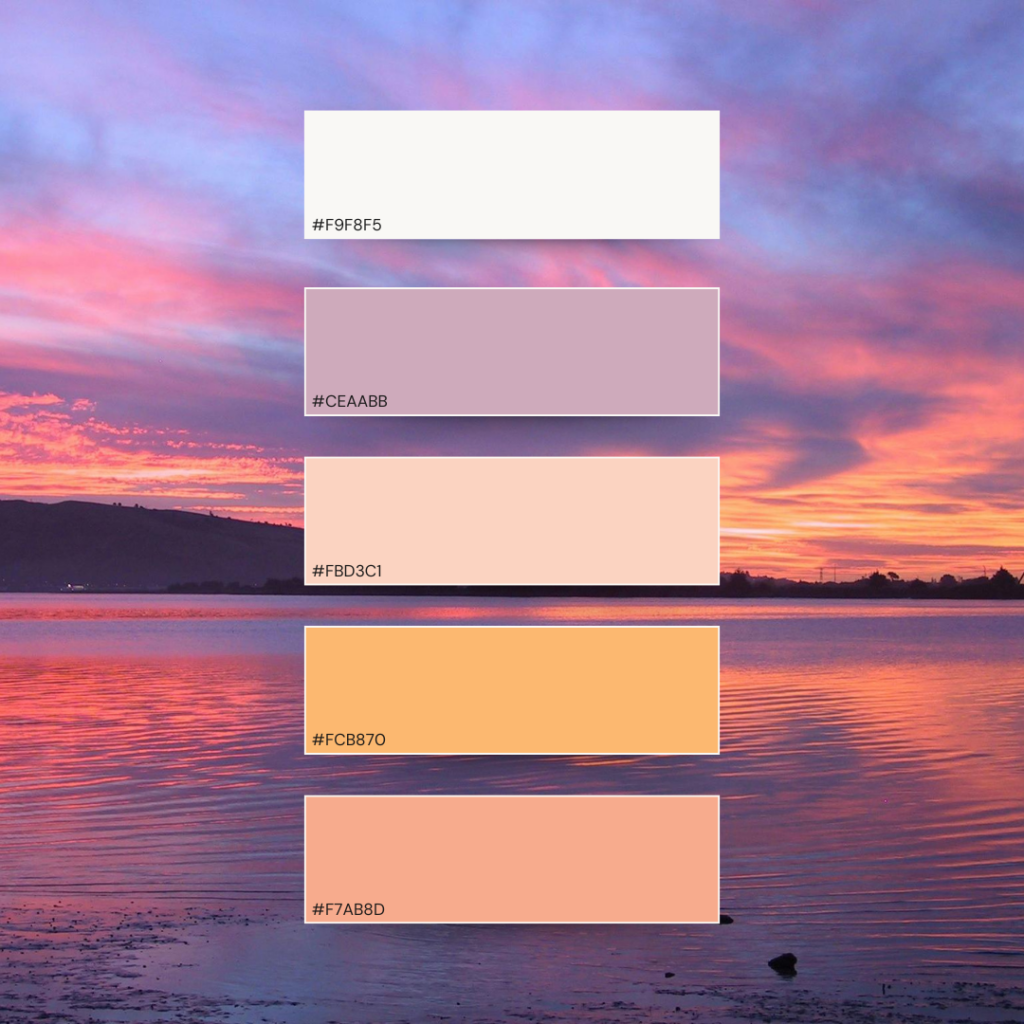
Stick to a well-defined color scheme with a primary, secondary, and accent color. A good rule of thumb is to choose 3-5 core colors that complement each other. Using a color hierarchy ensures consistency while allowing for creativity.
2. Ignoring Color Psychology
The Mistake:
Choosing colors based solely on personal preference rather than their psychological impact can lead to branding that doesn’t align with your message. For example, if you want to evoke trust but use too much red, your audience may feel a sense of urgency rather than security.
The Fix:
Study color psychology to ensure your brand colors communicate the right emotions. For example:
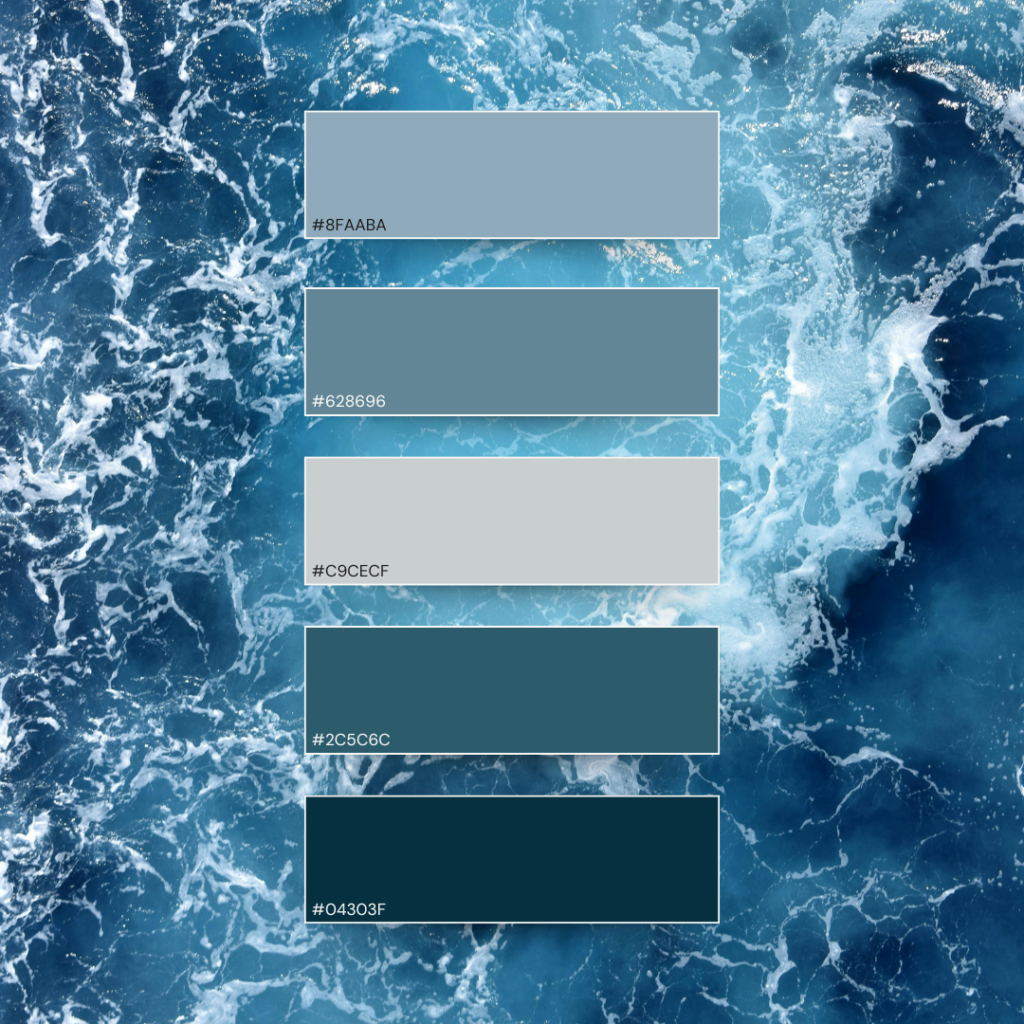
- Blue conveys trust and professionalism (great for finance and tech brands).
- Green represents growth and sustainability (ideal for wellness and eco-friendly brands).
- Yellow evokes optimism and energy (perfect for creative and friendly brands).
Make intentional choices that align with your brand’s values and message.
3. Lack of Contrast
The Mistake:
Low-contrast color palettes may look aesthetically pleasing but can be difficult to read, especially on digital platforms. This mistake can hurt user experience and accessibility.
The Fix:
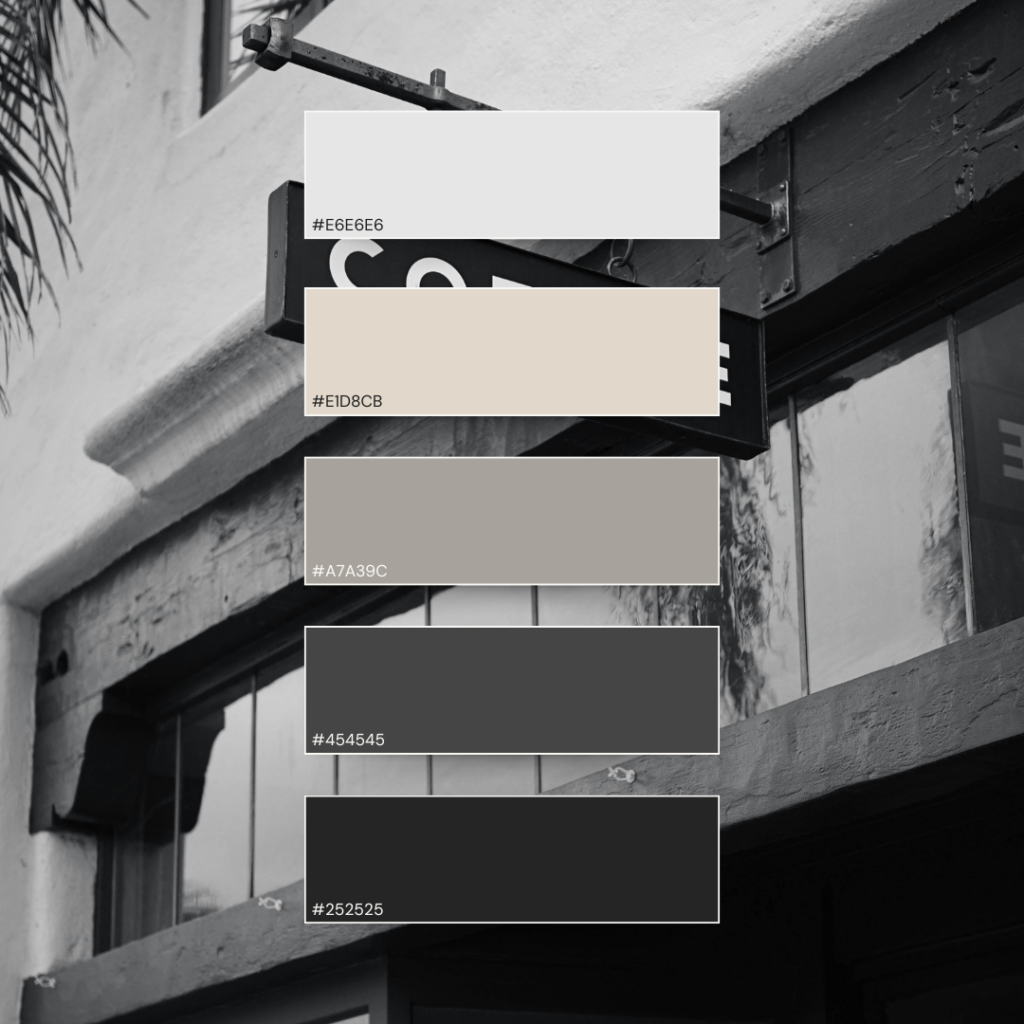
Ensure there is enough contrast between text and background colors to maintain readability. Use tools like the WebAIM Contrast Checker to verify your colors meet accessibility standards. Adding contrast not only improves legibility but also enhances brand recognition.
4. Inconsistent Color Usage Across Platforms
The Mistake:
Your brand colors look different on your website, social media graphics, and print materials because there’s no standardized usage. This inconsistency can weaken brand recognition and make your content look unprofessional.
The Fix:
Create a brand style guide that clearly outlines your brand’s color codes (HEX, RGB, and CMYK values). This ensures uniformity across all digital and print materials, reinforcing brand consistency.

5. Following Trends Without Considering Longevity
The Mistake:
Jumping on the latest color trends might seem like a great idea, but if your palette is entirely trend-based, it may feel outdated within a few years. This can lead to frequent rebranding, which confuses your audience.
The Fix:
Choose colors that have timeless appeal while allowing for slight adjustments over time. Incorporate classic, brand-appropriate colors as your foundation and use trends sparingly as accent colors to keep things fresh without compromising brand identity.

Final Thoughts
Your brand color palette is more than just an aesthetic choice—it’s a strategic tool that shapes your audience’s perception. By avoiding these common mistakes and implementing these fixes, you can create a visually appealing and cohesive brand identity that stands the test of time.
Want to bring your brand to life with ease and intention? Download Noohra Studio’s free brand kits—each one includes thoughtfully curated colors, fonts, and logos designed to help you build a brand that’s both beautiful and aligned with your purpose.


